



Sustainability at Midgard
Designed for Life
The most sustainable product remains useful for decades.
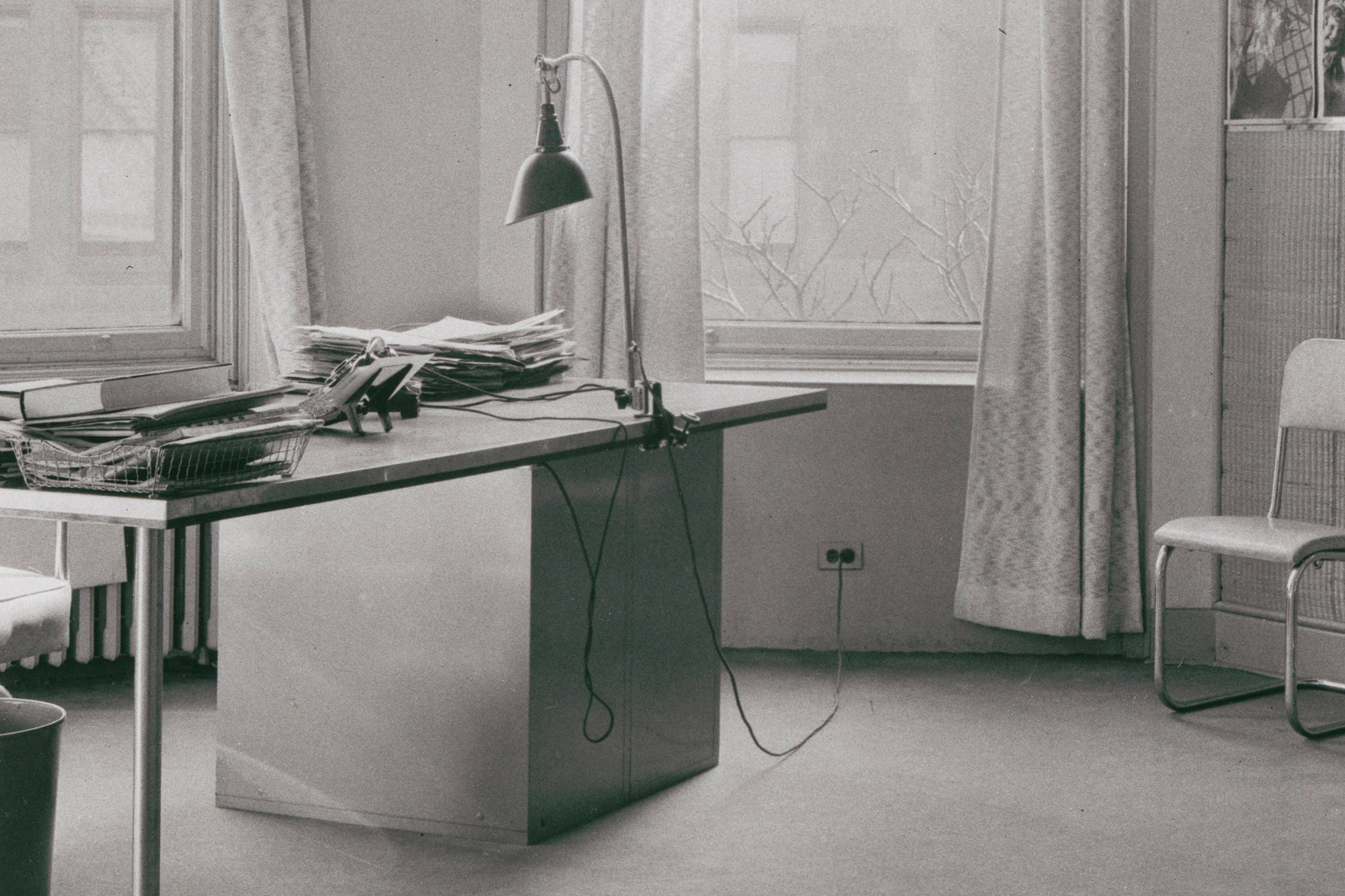
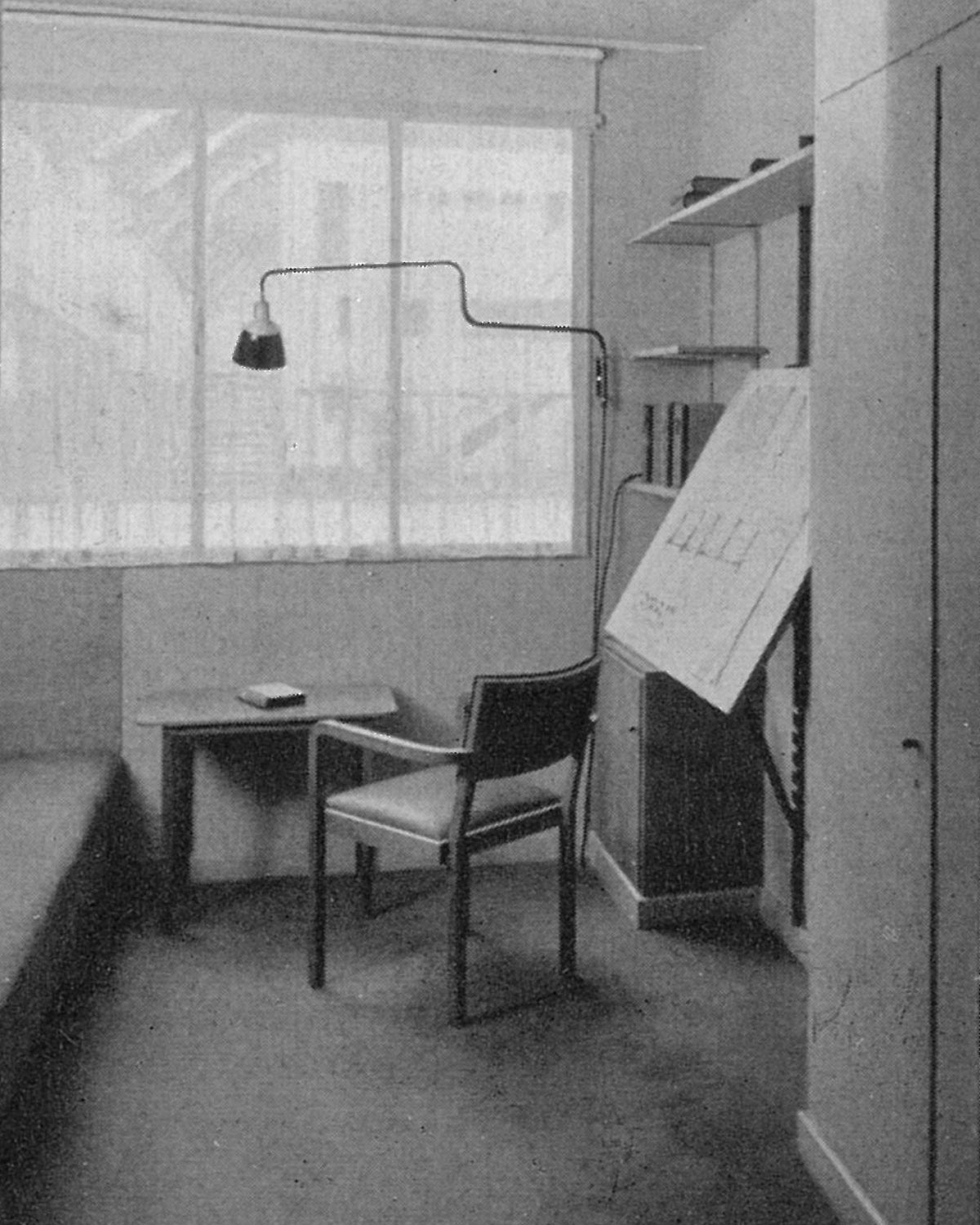
Since 1919, Midgard has developed luminaires shaped by the same principles: durable construction, intuitive functionality and timeless design. Founded by engineer Curt Fischer following his first patent for adjustable lighting, the company continues to develop products that adapt to changing needs through intelligent engineering and continuous refinement.
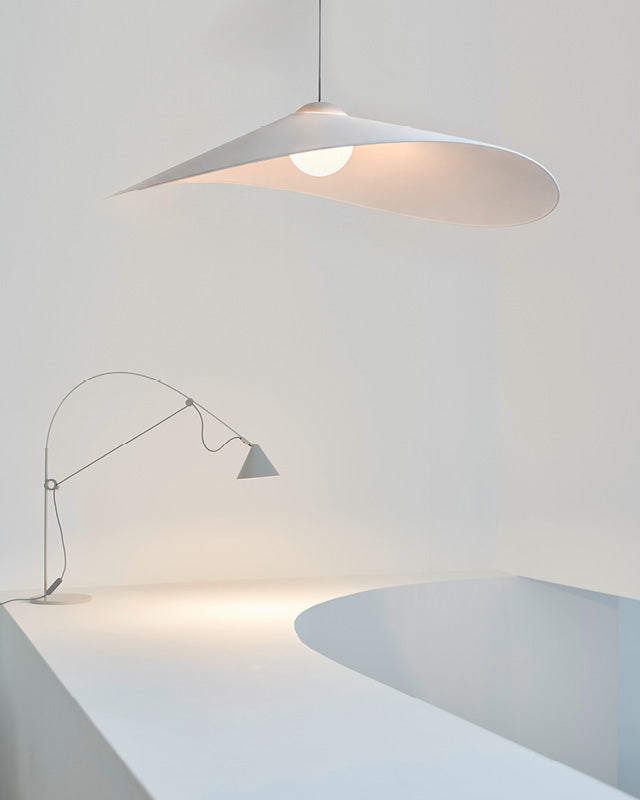
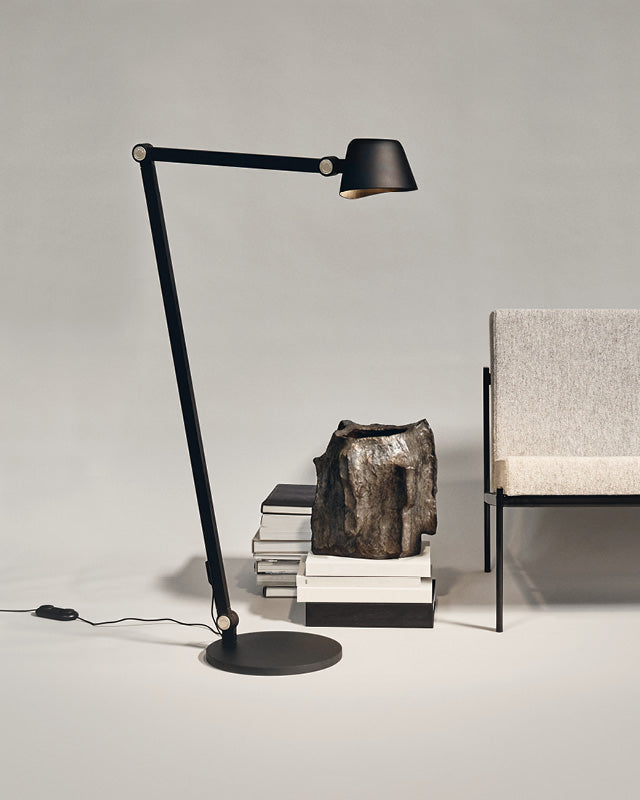
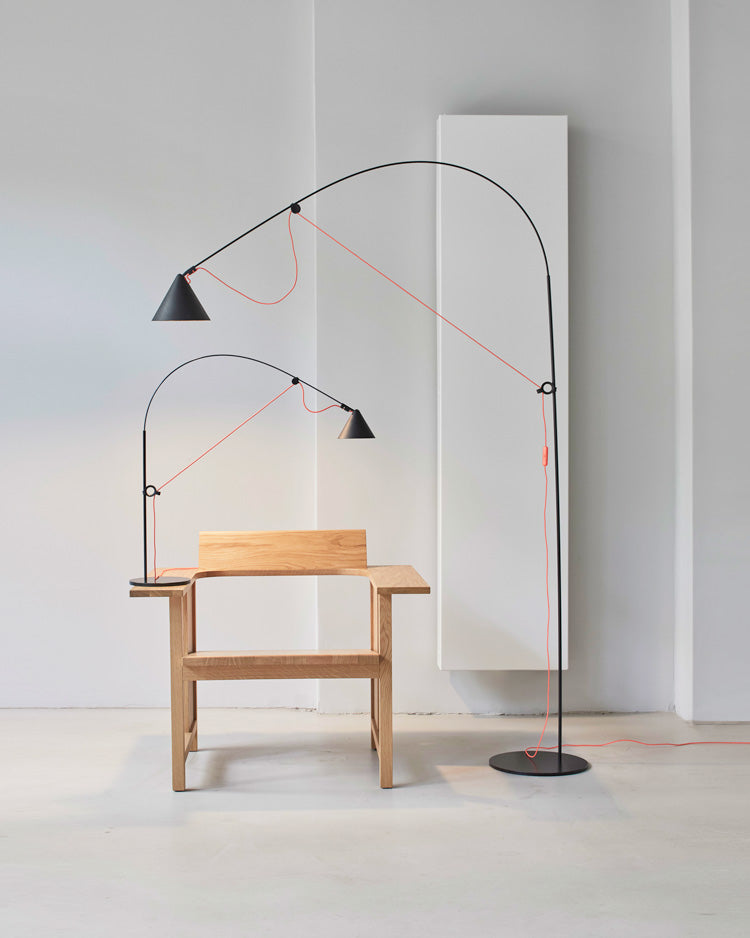
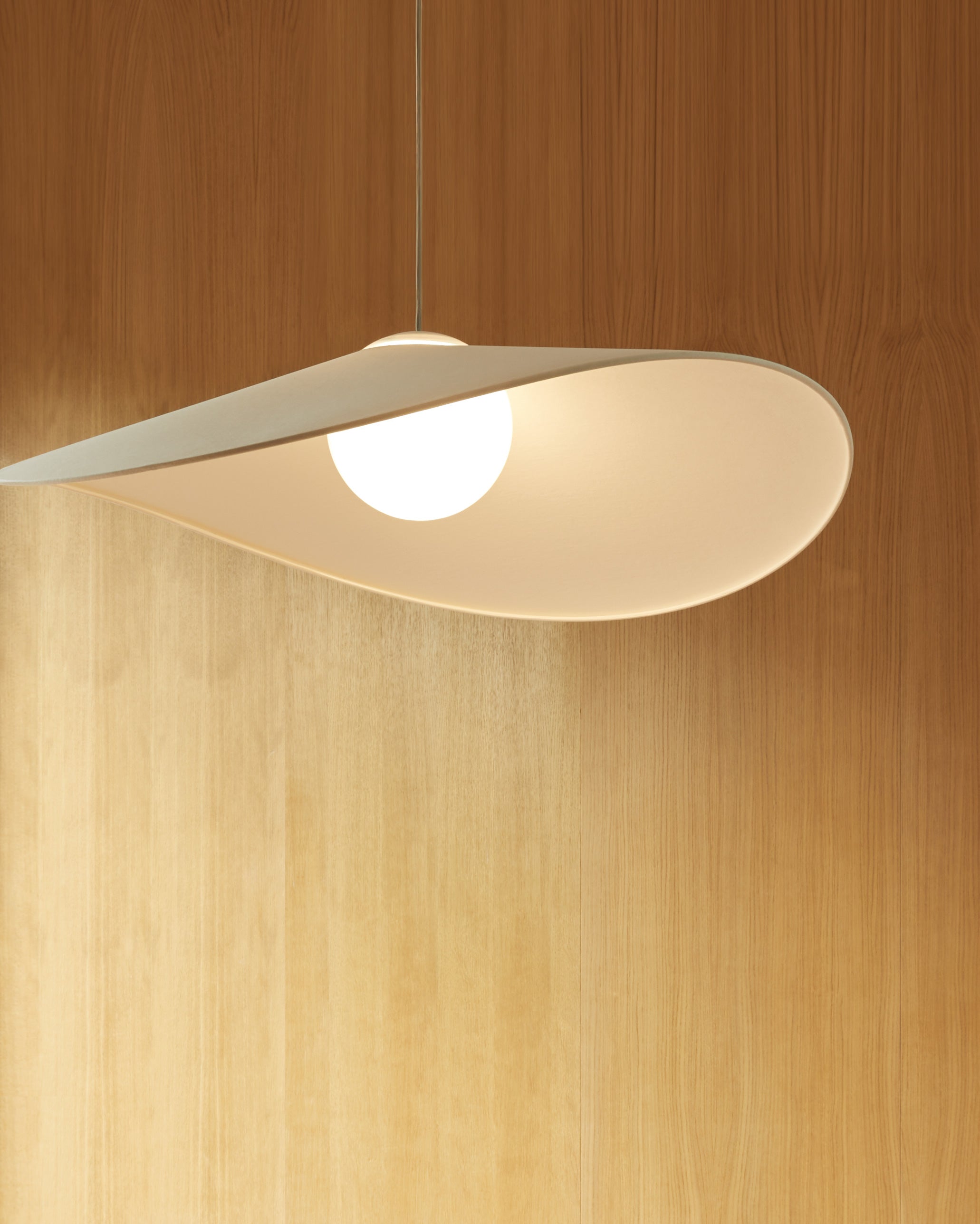
Every design decision influences how long a luminaire remains useful, how easily it can be repaired and maintained, and how responsibly materials are used throughout its lifetime. From historic classics to contemporary collections such as AYNO, LOJA and RAY, every Midgard luminaire is designed for decades of everyday use.
Designed for Circularity
Every Midgard luminaire is developed with its entire life cycle in mind.
Components are designed to be separated, repaired and replaced throughout many years of use, allowing products to remain in service rather than being discarded. Materials and constructions are selected to support long product life, straightforward maintenance and established recycling systems at the end of a product's service life. This approach allows products to evolve over time while reducing unnecessary waste and preserving valuable resources.
Designed to Be Repaired
Repairability is considered from the earliest stages of product development.
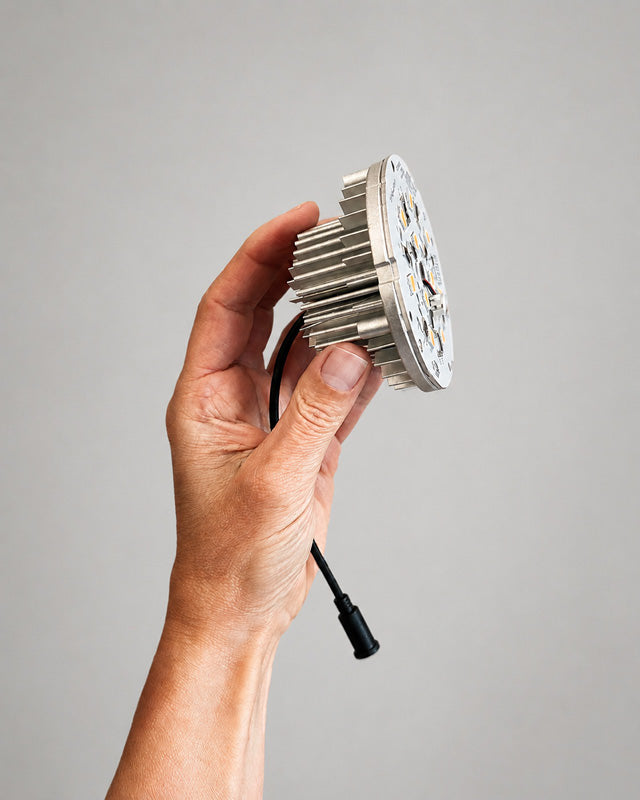
Mechanical components are screwed or slotted together wherever possible. The Midgard LED Unit, drivers and other service parts are designed to be replaced individually, extending the useful life of the luminaire while reducing unnecessary waste.
The Midgard LED Unit is shared across contemporary collections including AYNO, Modular Neo and LOJA. Should replacement ever become necessary, it can be exchanged by the user without tools in just a few simple steps. Standardising technical components across different product families simplifies servicing, supports long-term spare part availability and allows future product generations to build on existing solutions.
Better Engineering. Less Material.
Thoughtful engineering reduces the need for material.
Midgard aims to achieve more with fewer components through intelligent product development. Every material should fulfil a clear purpose while contributing to durability, repairability and long-term performance.
Steel, glass and paper form the basis of many Midgard luminaires because they combine longevity with well-established recycling systems. Where polymers remain the most appropriate technical solution, recycled materials are used wherever possible while avoiding virgin plastics.
AYNO illustrates this approach well. The lampshade and adjustment rings are manufactured from recycled ABS/PC. The silk grey finish emerged from the long-term availability of recycled ABS/PC. It reflects a design process in which material characteristics help define the product rather than being concealed.
Packaging is considered as part of the product development process. Luminaires are designed for low-volume shipping. Some products are delivered partially assembled, reducing transport volume while remaining quick and intuitive to assemble.
Manufactured to Last
Long product life depends on consistent manufacturing quality.
Midgard works with specialised manufacturing partners in Germany and across Europe, many of whom have collaborated with the company for decades. Components are manufactured close to assembly wherever possible, supporting reliable quality, shorter transport routes and long-term availability.
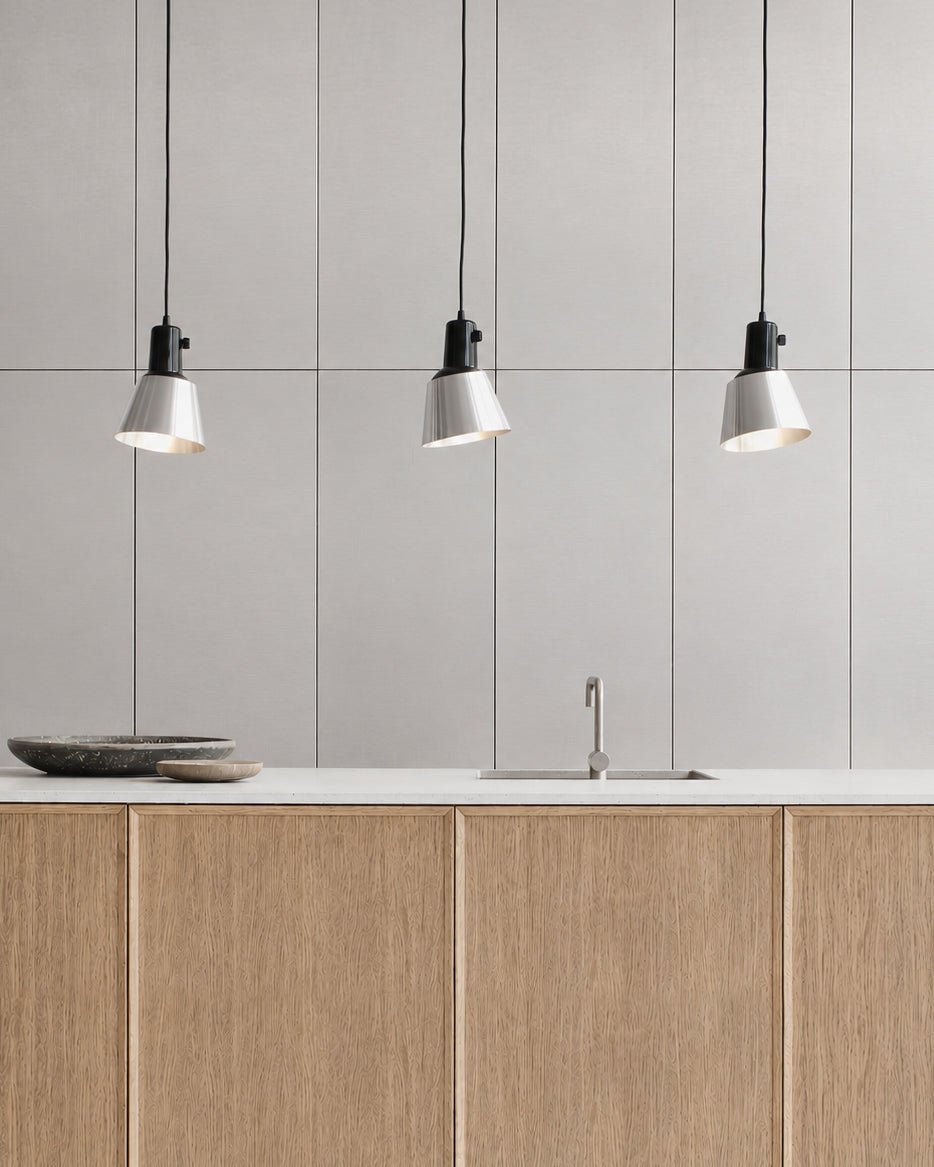
Traditional manufacturing techniques continue where they provide the best solution, from metal spinning and enamelling to Bakelite processing and textile cable assembly.
Awards & Recognition
Midgard's approach to product development has been recognised with several national and international awards, including the German Ecodesign Award, the German Sustainability Award Design and the Archiproducts Sustainability Award.
These awards recognise an approach in which engineering, material selection, repairability and long product life are considered together from the very beginning.
