
The oldest start-up in the world - Midgard Licht in Monocle
Monocle magazine has visited Midgard Licht in Hamburg for the October 2026 issue of The Entrepreneurs. In his feature, Frankfurt correspondent Florian Siebeck explores how a company founded in 1919 keeps reinventing itself, and why repairability sits at the heart of everything we make today.
Walking through the workshop, our CEO David Einsiedler sums up the spirit of the company in one sentence: "This is the oldest start-up in the world." It is a fitting description for a brand that has always been driven by practical questions rather than trends.

A lamp born from a practical problem
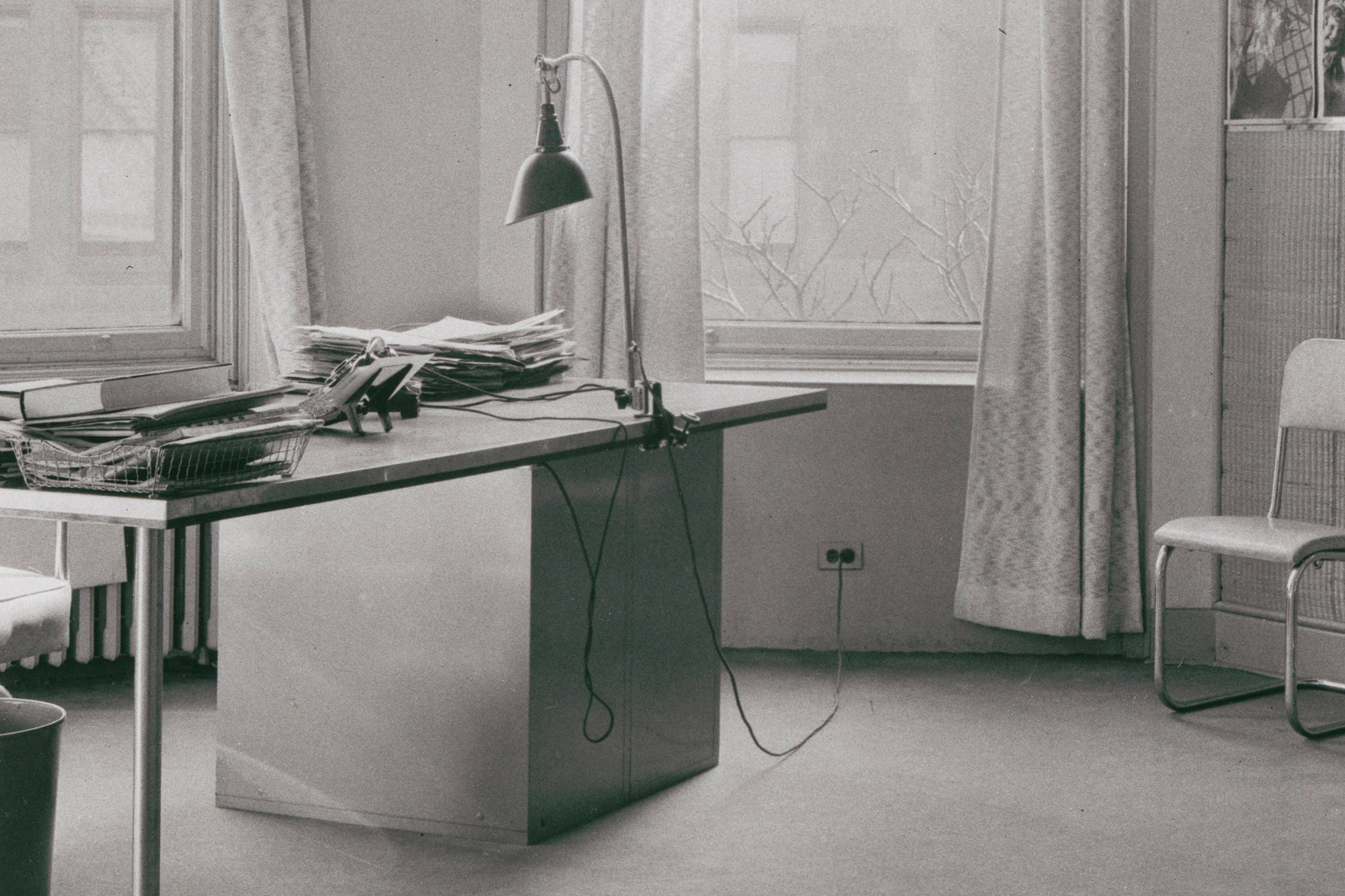
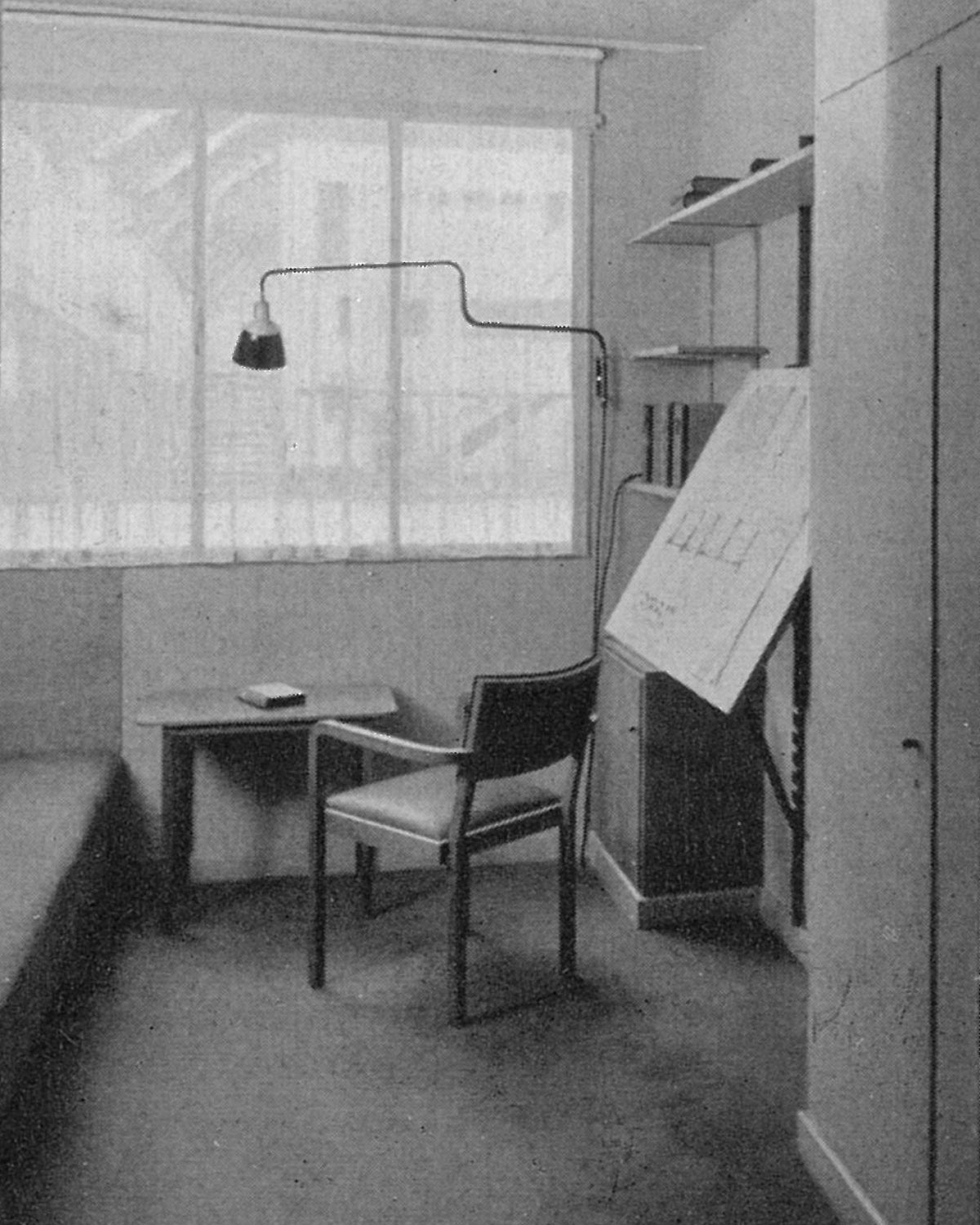
In 1919, engineer Curt Fischer faced a simple challenge in his mechanical workshop. As industrialisation stretched working hours into the evening, overhead lights cast awkward shadows across the workbenches. His answer was a wall-mounted, jointed lamp with a movable head that could be positioned exactly where light was needed.
What started as a tool for the workshop soon found its way into offices and Bauhaus interiors. Early designs such as the TYP 113 became part of that history. By the 1950s, Midgard had expanded its approach to adjustable lighting with a spring-balanced lamp, helping to define the modern desk light.
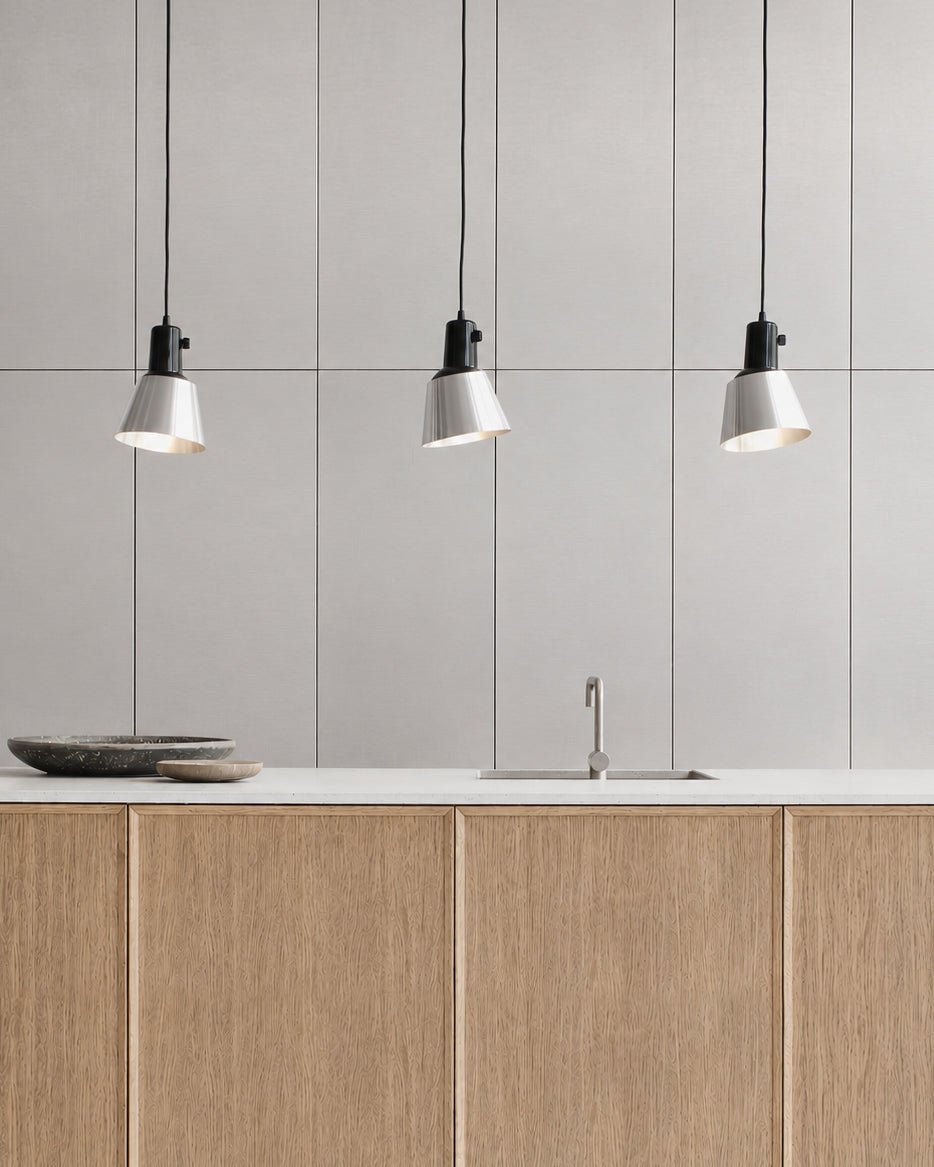
In 2015, David Einsiedler and Joke Rasch took over the company, later joined by Kristin Seel. Together they brought selected classics into production, including the K831 pendant lamp and the K830 wall lamp.
Adjustability at the heart of Midgard's philosophy
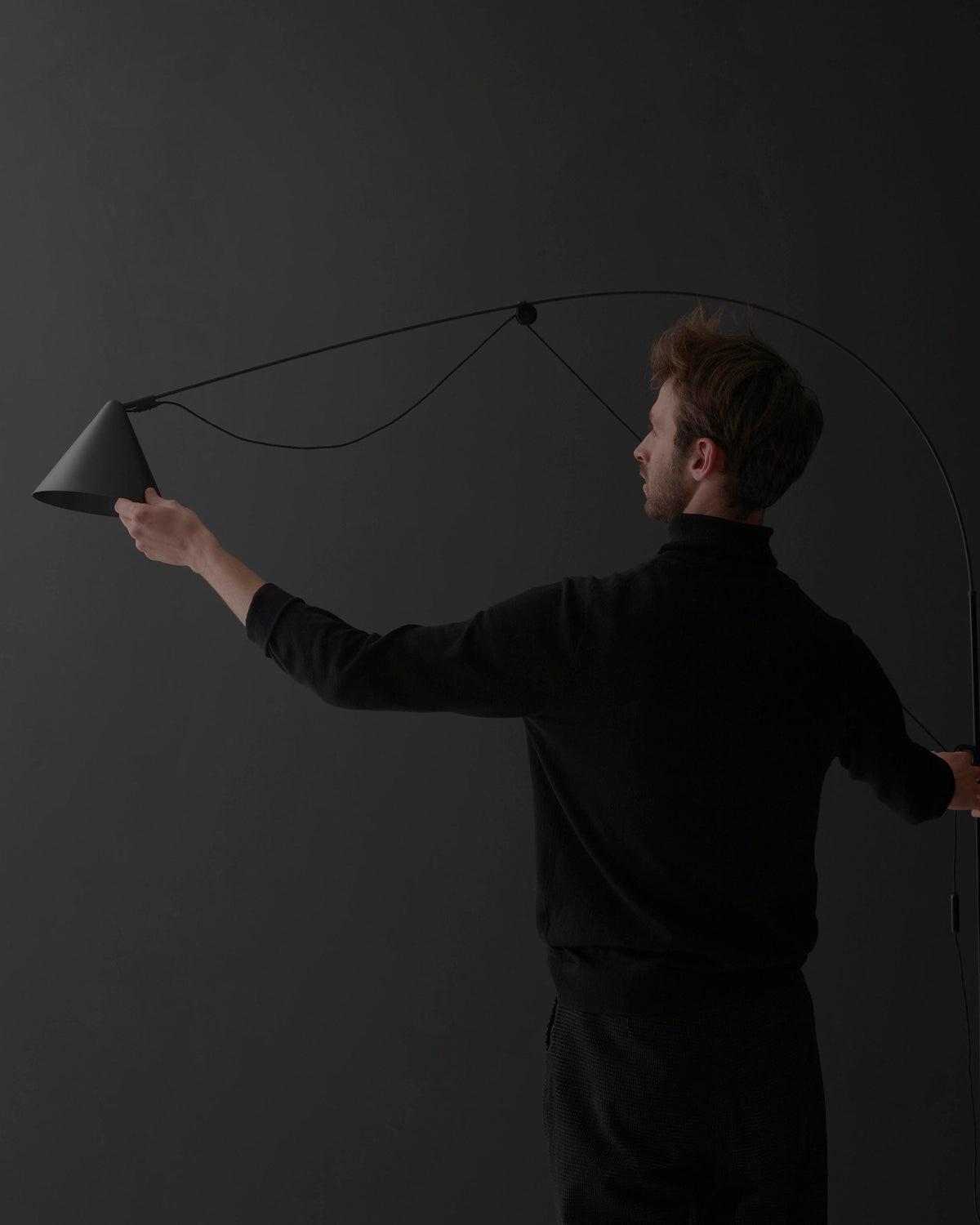
Making light adjustable has always been at the heart of Midgard's philosophy. Light should adapt to the people using it, whether they are working, reading or gathering around a table. From Curt Fischer's original jointed lamps to our contemporary collections, each design explores how light can be positioned precisely and moved with ease.

Repairability as a design principle
LED technology has opened up enormous creative freedom in lighting. Yet many LED lamps are almost impossible to repair, and even design icons often lose their repairability once they are retrofitted with LEDs.
We see this as a central challenge of contemporary lighting. That is why every component of a Midgard lamp is designed to be replaceable, in many cases by hand and with very little effort. A lamp should not end its life because a single part fails.


AYNO, LOJA and RAY by Midgard: new designs, same principles
AYNO by Stefan Diez reinterprets Curt Fischer's original task light for a circular economy. The brief was an adjustable lamp made from recycled or recyclable materials, easy for its owner to repair, fitted with exchangeable LED units and offered at an accessible price. Diez answered with a slender design built around a flexible fibreglass rod and a textile cable. Its components can be separated for repair and replacement.
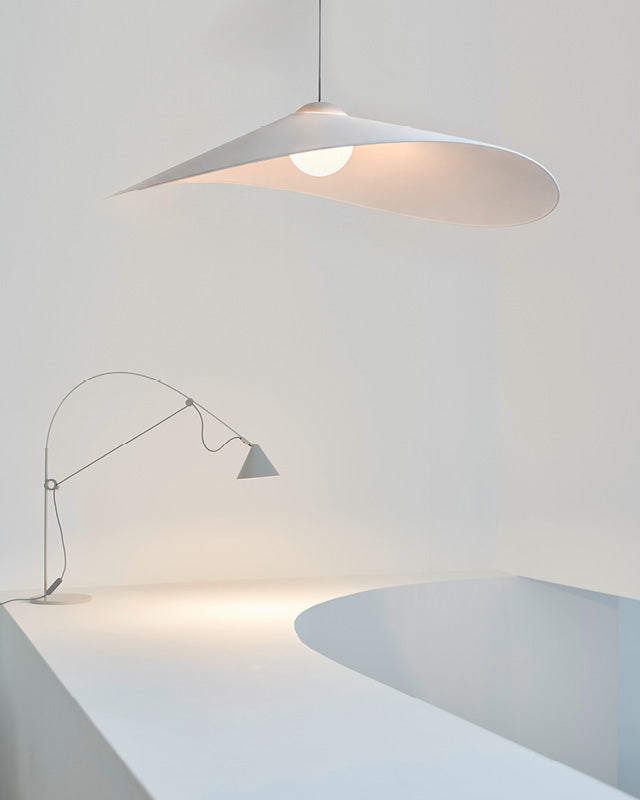
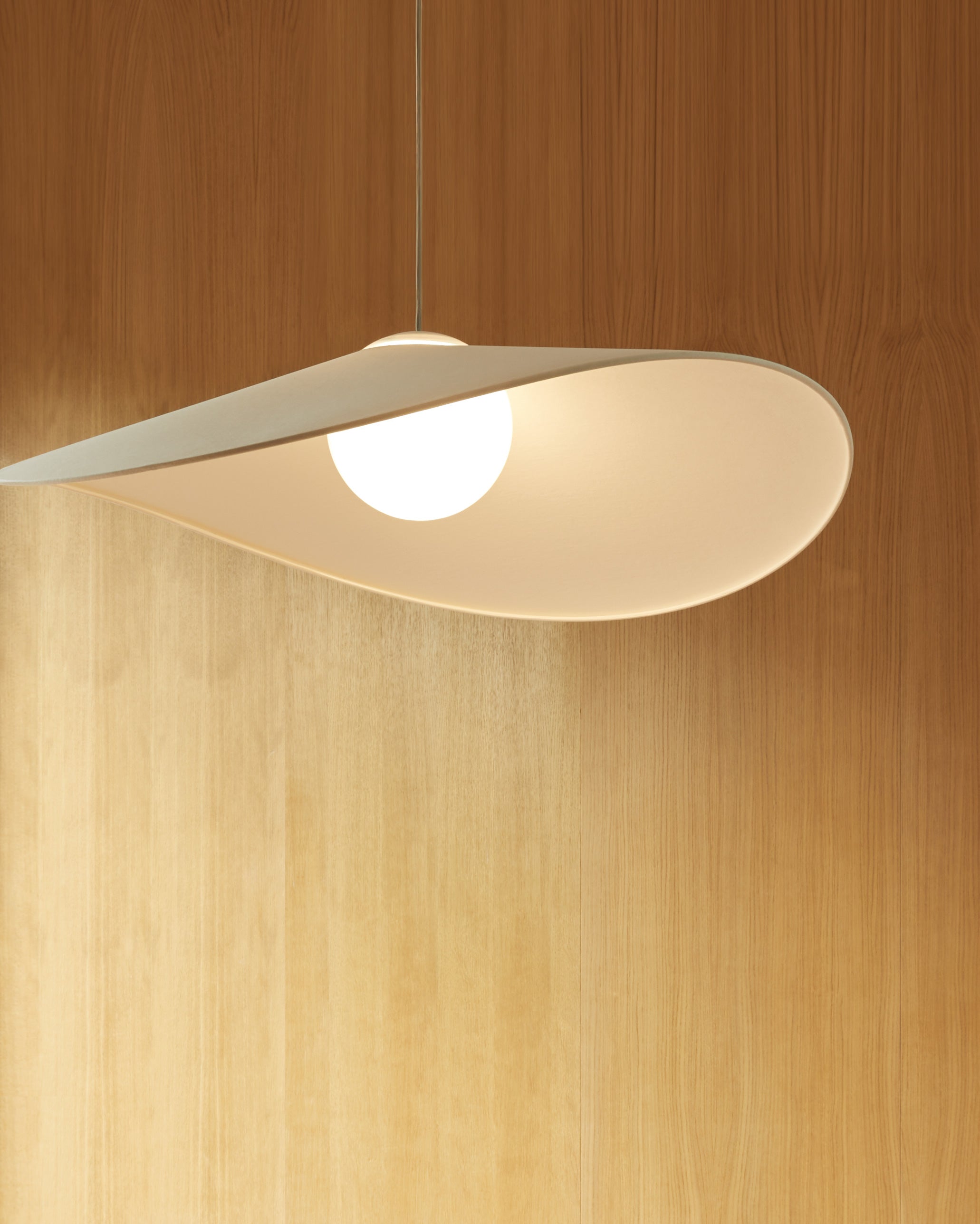
LOJA by Sebastian Herkner follows the same thinking. A gently curved paper shade sits like a hat on a translucent glass cylinder, and the construction is slotted together without any glue.
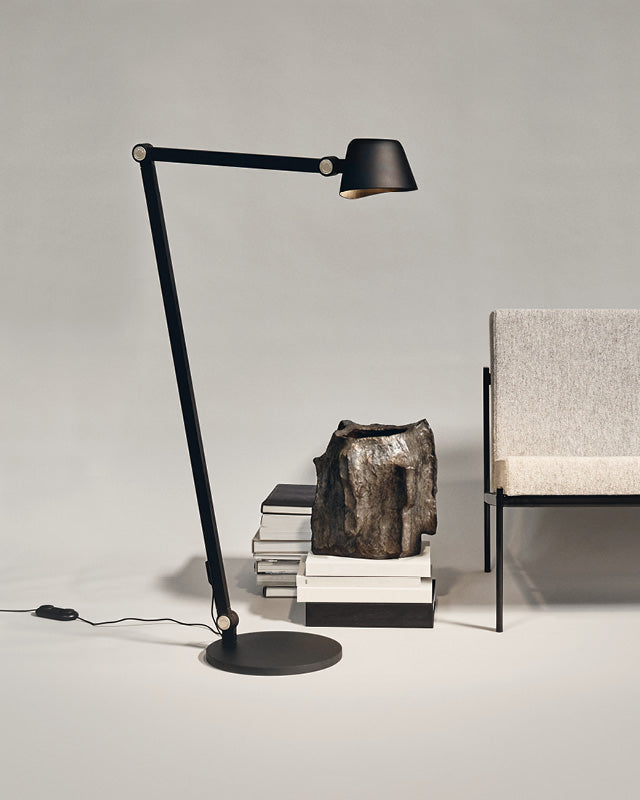
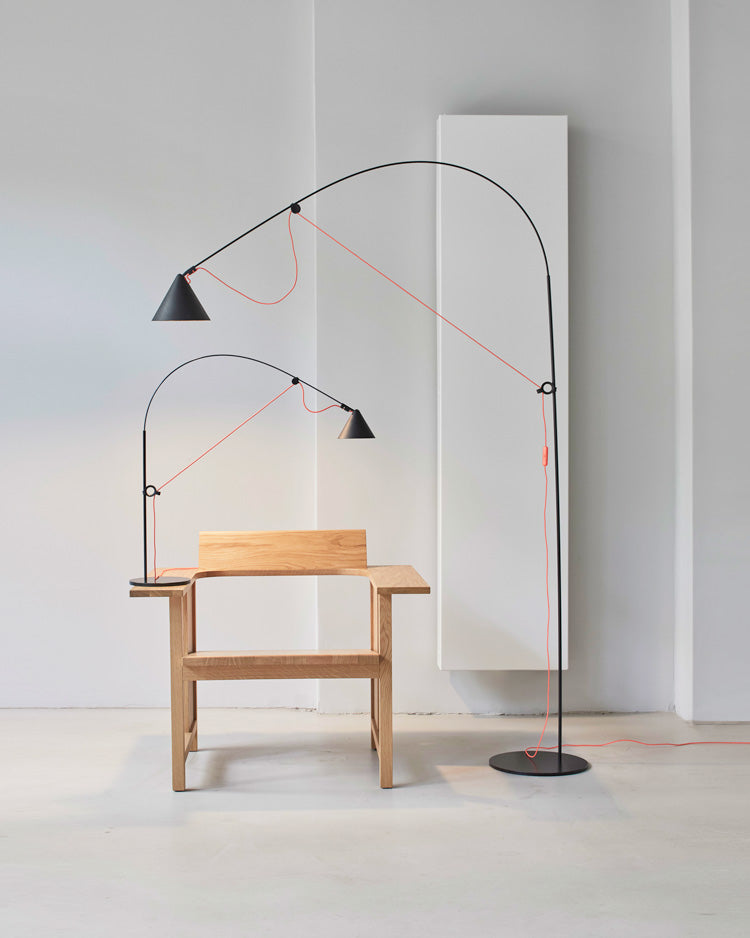
RAY by Midgard takes this philosophy into portable lighting. Available as a table lamp and a floor lamp, it uses a flexible steel arm and a precision slider to adjust height and inclination. An integrated rechargeable battery allows it to move freely between different settings. Both the LED unit and the battery are replaceable.

Replaceable LED technology
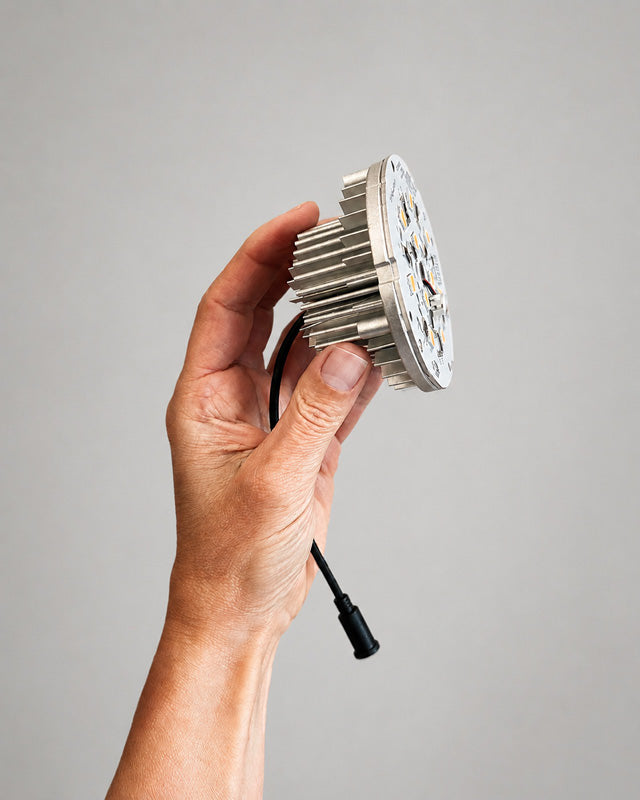
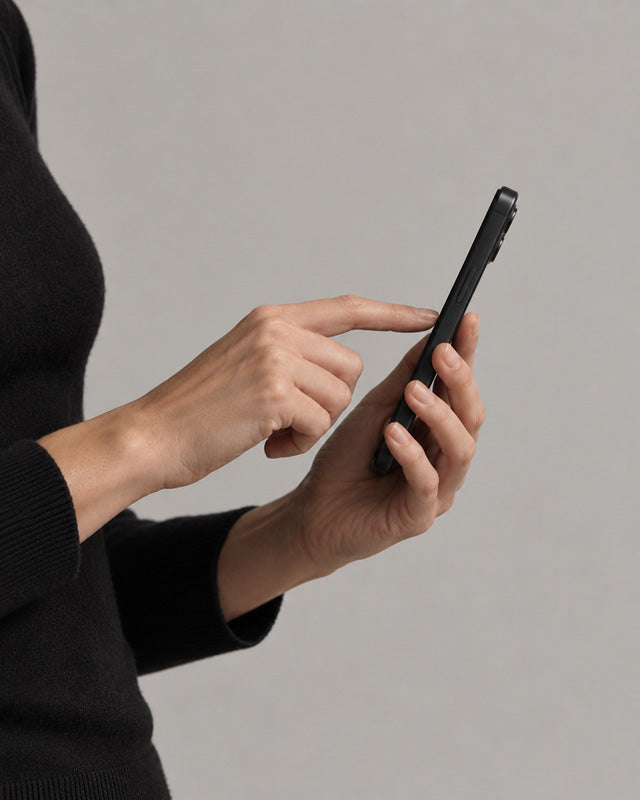
To take repairability further, we developed the Midgard LED System around replaceable LED units. AYNO currently uses LED Unit 2.0 with a fixed colour temperature. LOJA, RAY by Midgard and modular NEO use LED Unit 3.0 PRO technology, combining Tunable White with Matter smart-home connectivity.
The aim is to let lighting technology evolve while keeping the lamp itself in use. Replacement units are specified for the relevant model and LED generation, supporting maintenance and long-term service.
Read the full story in Monocle
Monocle magazine closes its piece with a lesson for entrepreneurs: a century-old brand can keep innovating by seeing its own archive as a source of new ideas. Asking the right questions, just as Curt Fischer did in 1919, remains our guiding principle.
Read the full story in Monocle
Monocle, The Entrepreneurs, October 2026. Text: Florian Siebeck.