


About Midgard
Lighting the Way for Modernism
Founded by engineer Curt Fischer after receiving the world's first patent for adjustable electric lighting in 1919, Midgard has spent more than a century developing luminaires that unite engineering, functionality and timeless design.
From the early years of modernism to today's contemporary collections, the company's work has remained guided by the same idea: light should adapt to people, not the other way around. This principle shaped Midgard's historic relationship with the Bauhaus movement and continues to define every new generation of luminaires.
Since 1919
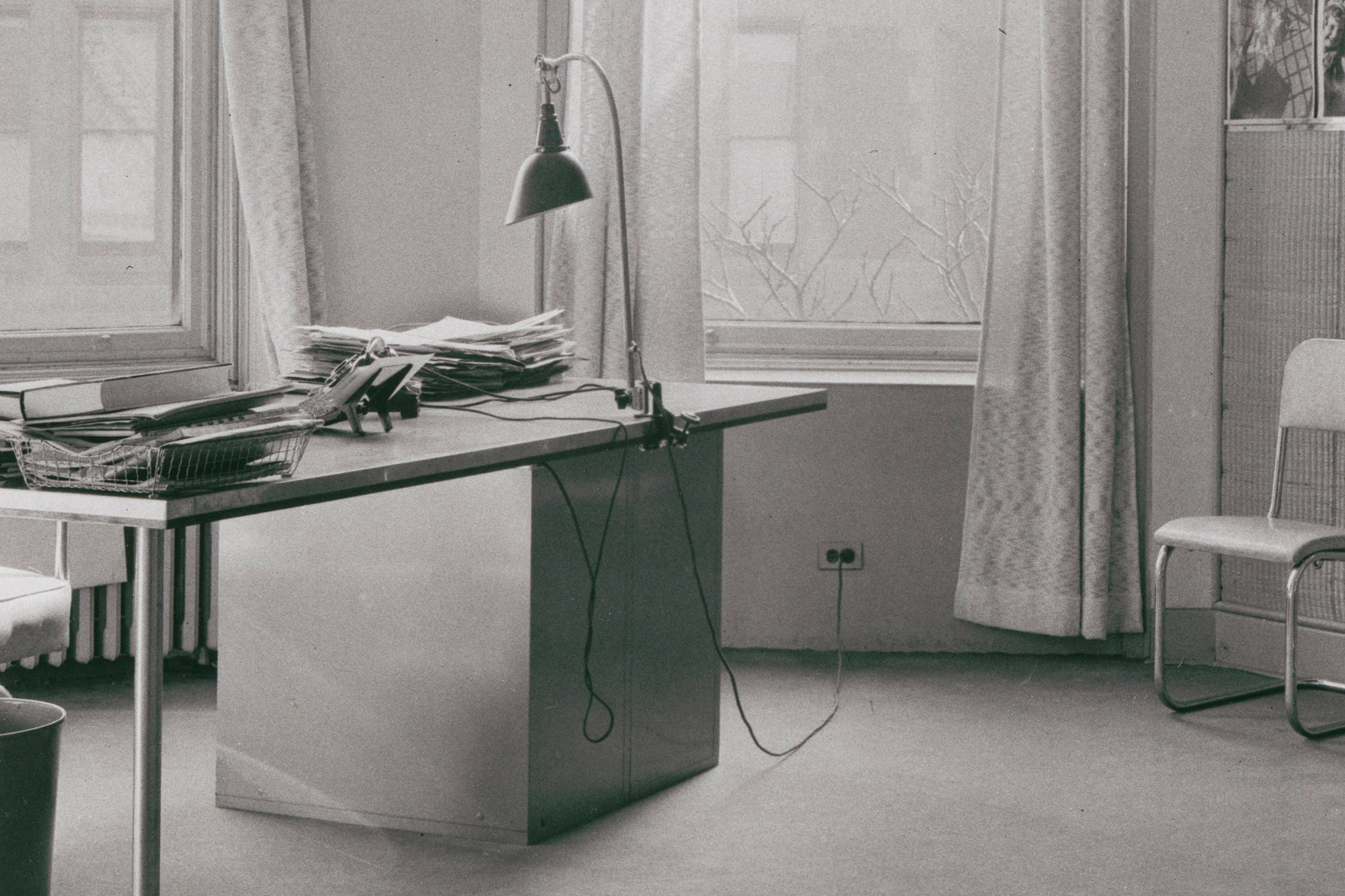
The history of Midgard began in Auma, Germany, where Curt Fischer developed the world's first adjustable electric light and established the Midgard trademark shortly afterwards. His inventions established a new approach to lighting: flexible, intuitive and precisely directed.
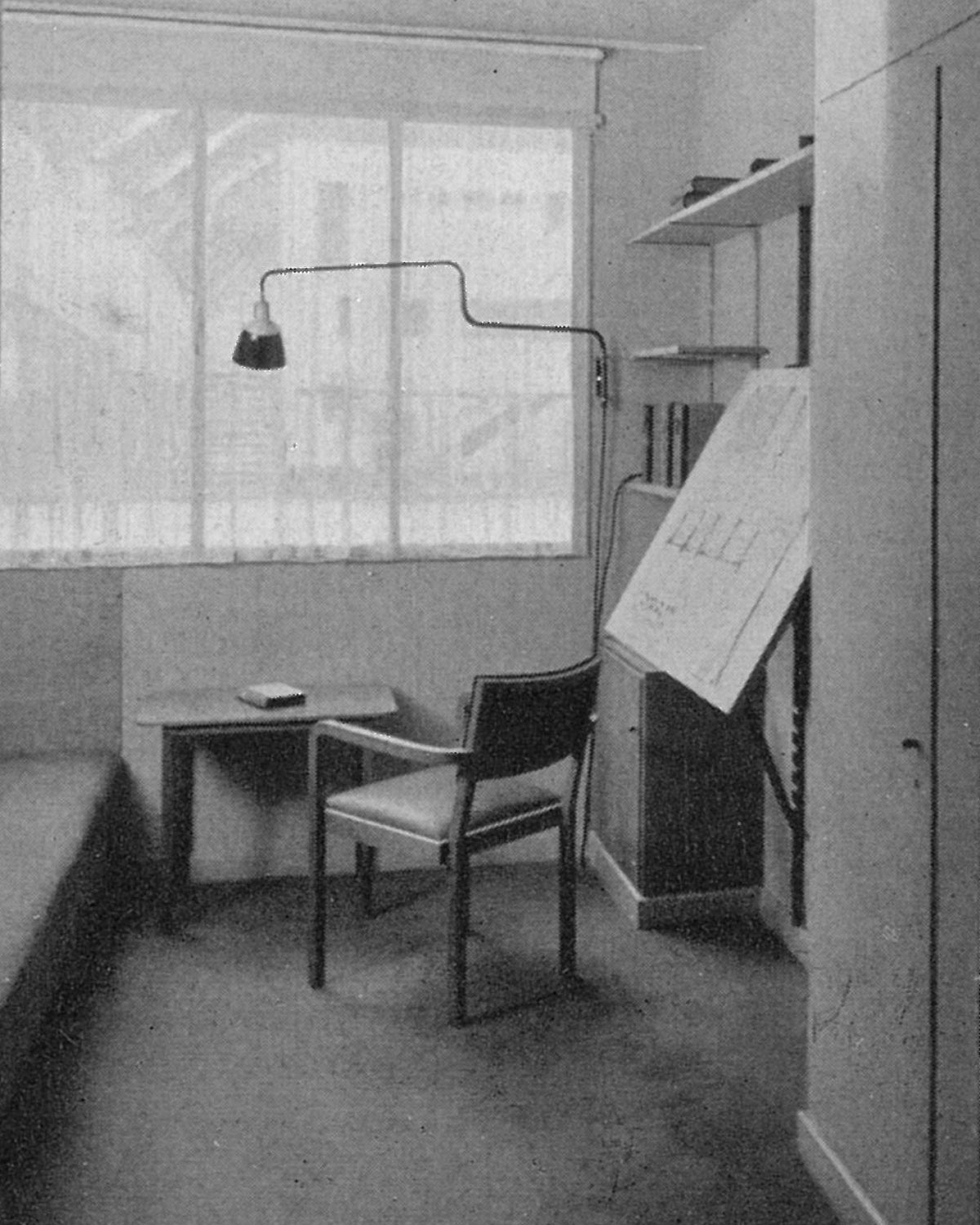
During the 1920s and 1930s, Midgard luminaires became part of some of the most influential projects of modern architecture. They were used by Walter Gropius, Marcel Breuer, Josef Albers, Hannes Meyer, Hans Wittwer and László Moholy-Nagy, appearing in private houses, studios, workshops and educational buildings associated with the Bauhaus movement.
Several historic models, including the TYP 113, the Modular system and the iconic spring-balanced task lamp, continue to represent important milestones in the development of adjustable lighting.
Heritage Collection
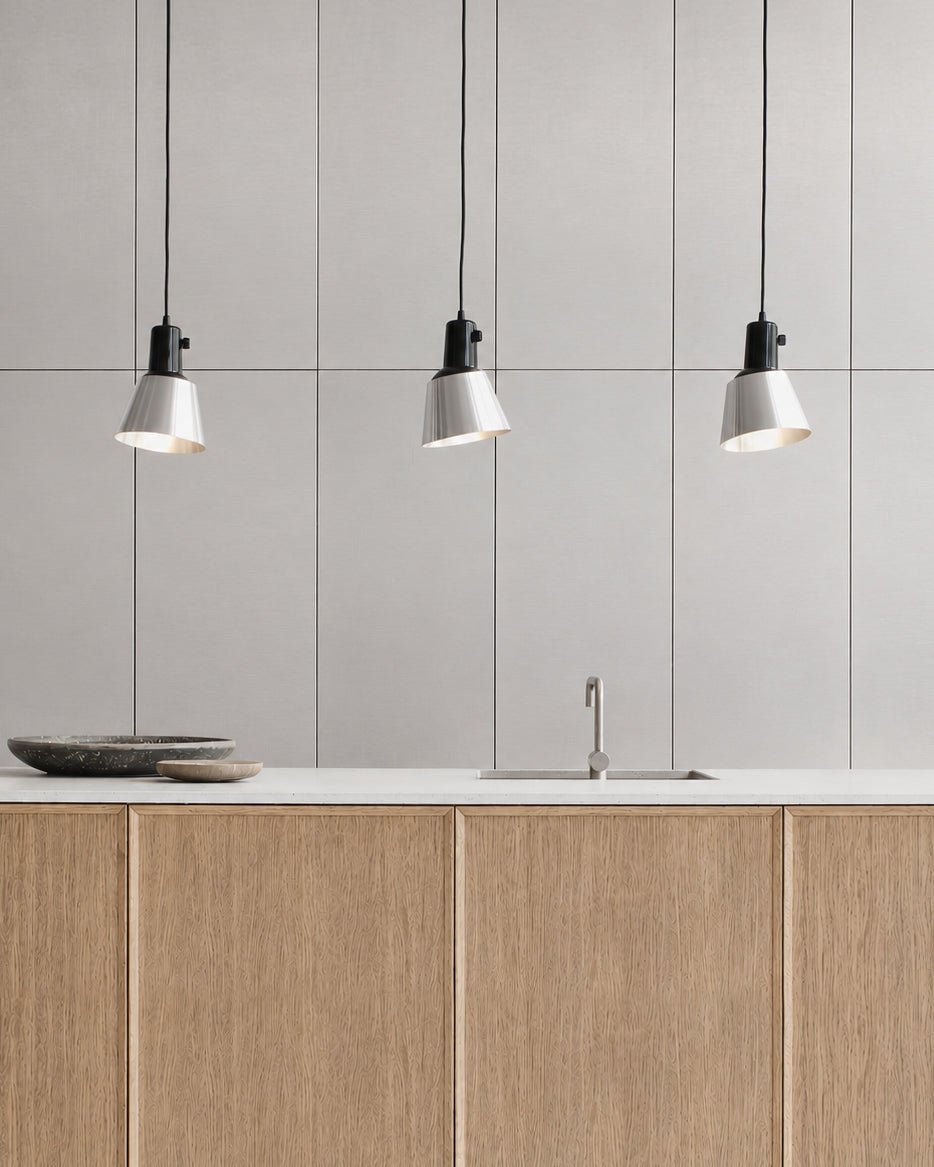
Many of Midgard's historic luminaires remain in continuous production today.
They continue to be manufactured using original tools and long-established production techniques, preserving the construction, proportions and functionality that made them design classics. Rather than reproducing historic objects, Midgard continues to manufacture original designs that have remained relevant for generations.
Contemporary Collection
Alongside its heritage collection, Midgard develops new lighting families with internationally recognised designers.
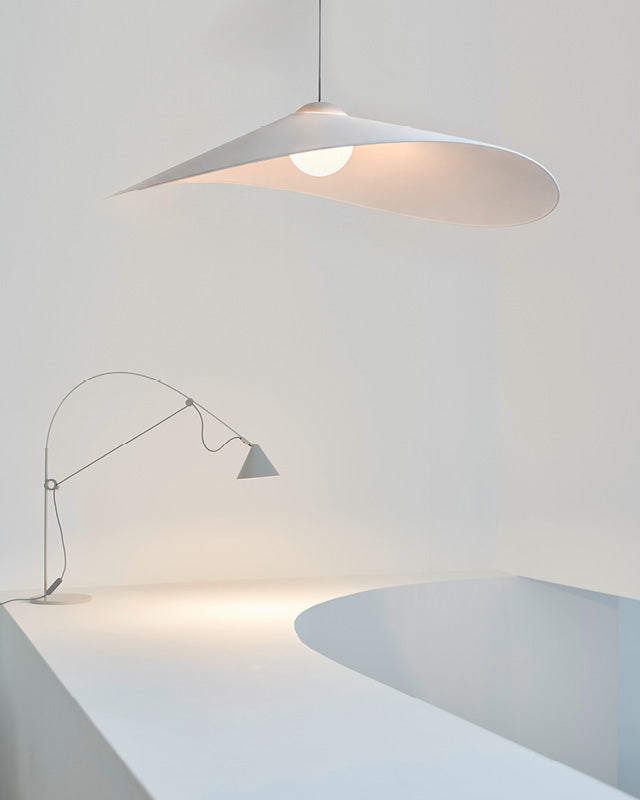
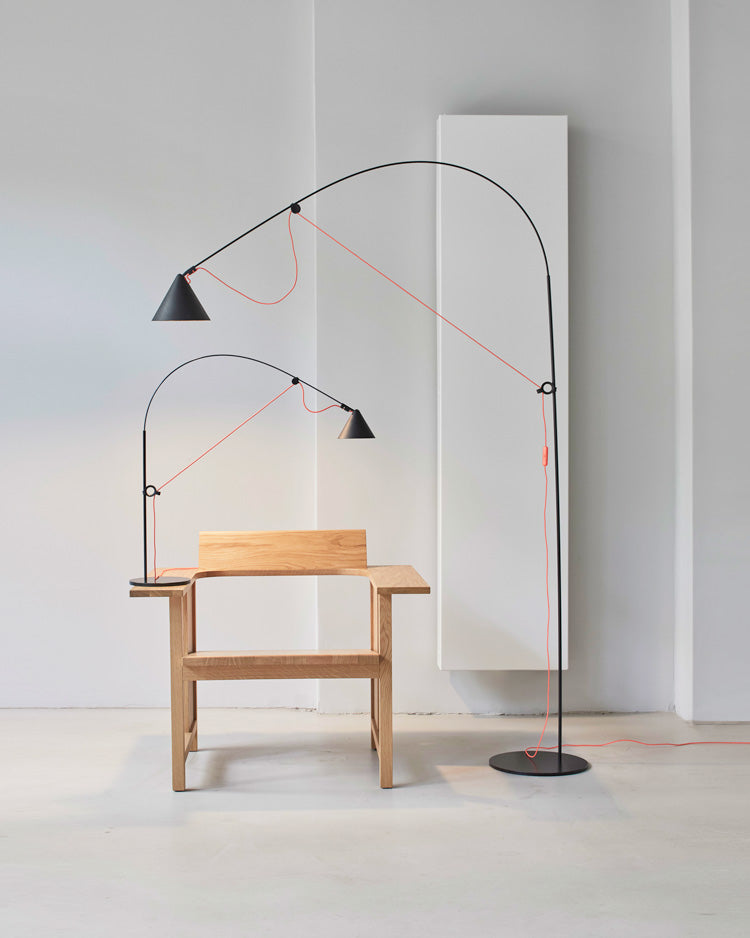
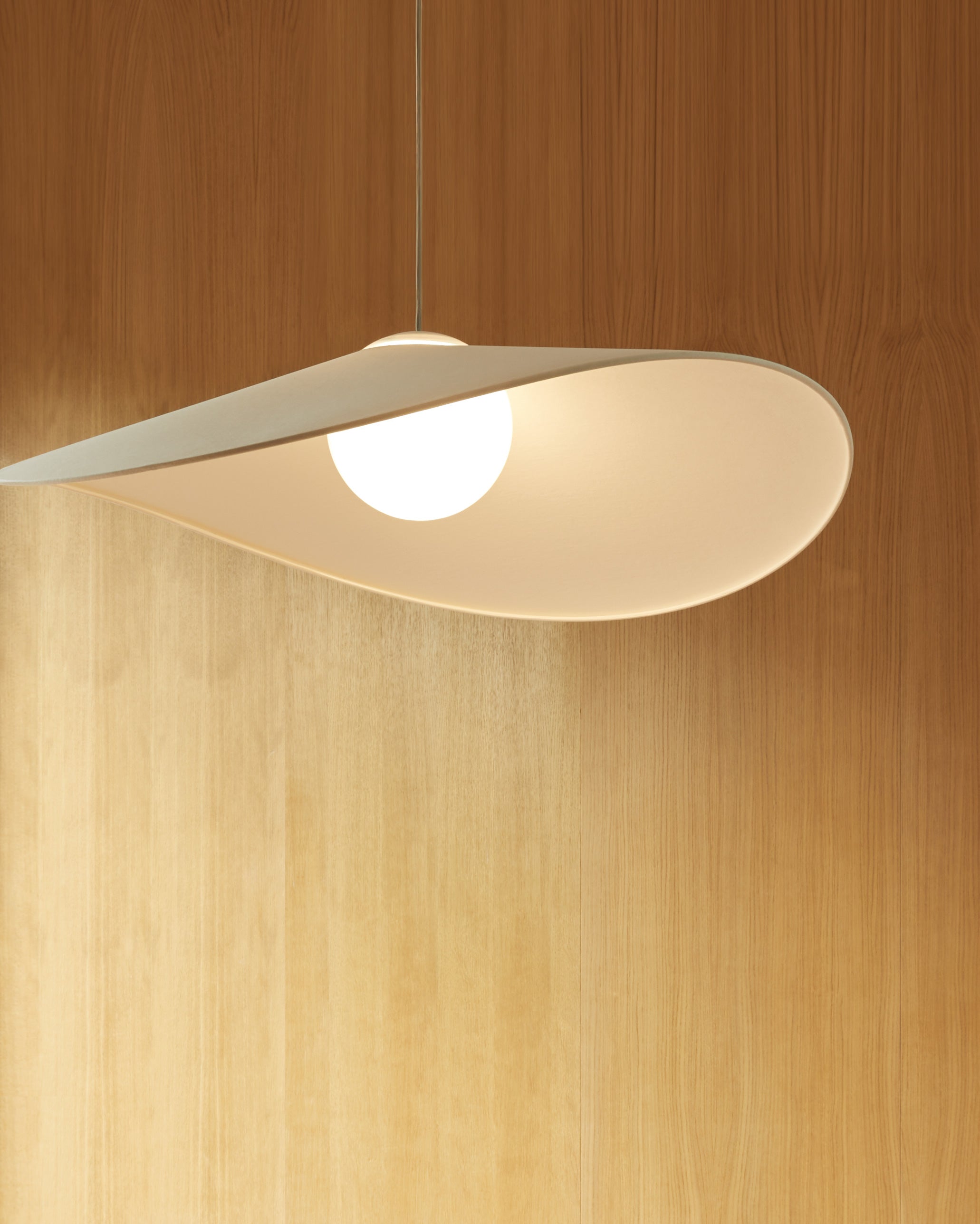
Collections such as AYNO by Stefan Diez, LOJA by Sebastian Herkner and RAY by Loddo+Berger continue Curt Fischer's original principles for contemporary interiors. Each collection explores adjustable lighting in its own way while sharing the same commitment to intuitive functionality, thoughtful engineering and long product life.
Engineered and Manufactured in Europe
Historic luminaires continue to be produced using original tools, while contemporary collections are developed with specialised manufacturing partners across Germany and Europe.
Metal spinning, enamelling, Bakelite processing and textile cable assembly remain integral parts of production wherever they provide the best solution, combining established manufacturing techniques with contemporary product development.
Redefining Adjustability
From Curt Fischer's first patent in 1919 to contemporary developments such as AYNO and Modular Neo, Midgard continues to create original engineering solutions that redefine the possibilities of adjustable lighting.
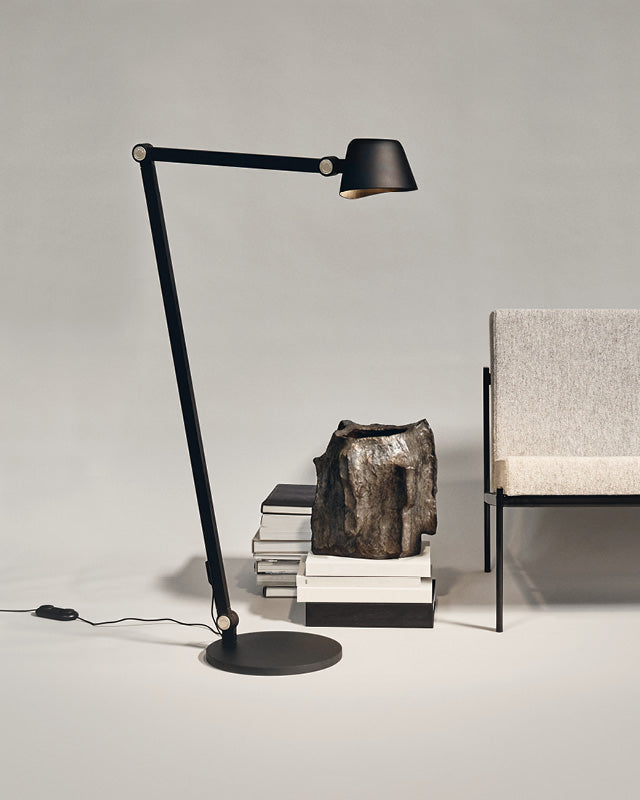
Collaborations with designers including Stefan Diez, Sebastian Herkner and Einsiedler+Loddo+Berger continue the company's tradition of engineering-driven innovation. From patented developments such as AYNO to the patented joint mechanism of Modular Neo, new collections build on the same ambition that has defined Midgard since 1919: creating original solutions that expand the possibilities of adjustable lighting.
Awards & Recognition
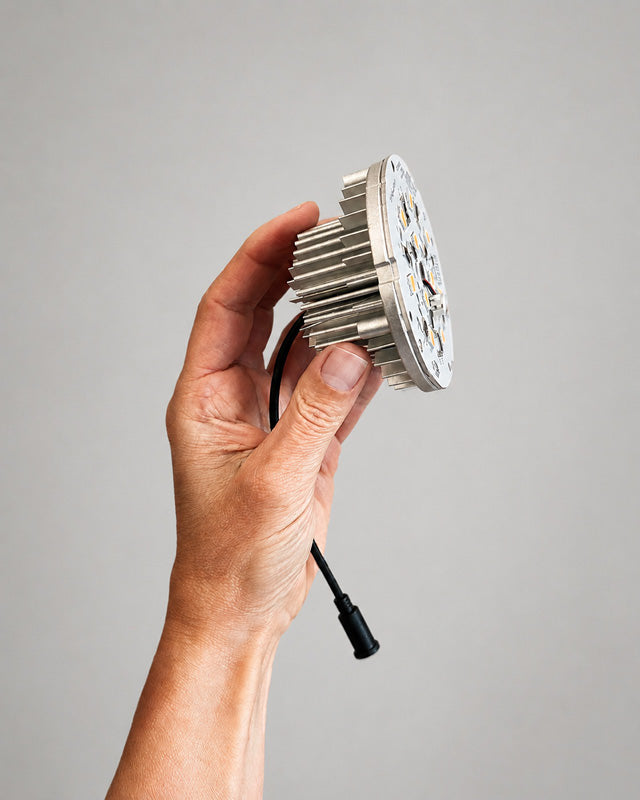
Midgard's approach to product development has been recognised with several national and international awards, including the German Ecodesign Award, the German Sustainability Award Design and the Archiproducts Sustainability Award.
These awards recognise an approach in which engineering, material selection, repairability and long product life are considered together from the very beginning.
